

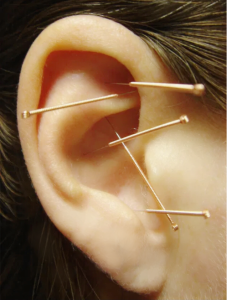
Acudetox
Acudetox, or acupuncture detoxification, is a procedure that utilizes the National Acupuncture Detoxification Association (NADA) protocol. It involves the gentle placement of five small, sterilized, disposable needles into specific sites on each ear for 30-45 minutes. According to NADA, acupuncture affects the body’s central nervous system and key parts of the brain involved in stress response. Many scientists theorize that acupuncture detoxification dulls the pleasure of drugs by reducing dopamine levels. The procedure functions as an adjunct within a comprehensive treatment program that offers other therapeutic elements including counseling, education and supportive medical health care. Acudetox is recommended daily for acute detoxification, three times per week for post acute withdrawal or smoking cessation, and weekly for relapse prevention. For more information, book your appointment with Dr. Le, a certified AcuDetox Specialist (ADS).
The numerous benefits of acudetox includes:
Minimized withdrawal symptoms
Reduces cravings
Reduces stress and anxiety
Improves sleep
Helps manage depression
Alleviates aches and pains
Improves mood
Calms the mind
Regulates the Nervous System
Improves overall well being
There is plenty of incentive to quit smoking but it isn’t necessarily easy. The good news is that acupuncture has helped people kick the habit. The stress associated with quitting can be overwhelming, however, acupuncture treatment can help relax the mind, reduce anxiety, reduce nicotine cravings, stimulate the body’s repair and healing response, and restore the body to a healthy state of balance. Smoking is the current leading cause of lung cancer. It also increases a person’s risk of getting Chronic Obstructive Pulmonary Disease (COPD), asthma, throat and mouth cancer. Acudetox can help kick the habit.
For more information on the use of acudetox in the treatment of addictions, read Evidence for the NADA Ear Acupuncture Protocol: Summary of Research by the National Acupuncture Detoxification Association.